Middle East Conflict: Operation Lion's Roar & Its Aftermath
The geopolitical landscape of the Middle East was dramatically reshaped by a series of events that culminated in "Operation Lion's Roar," a joint military offensive against Iran. This meticulously planned and executed operation, involving both Israel and the United States, sent shockwaves across the globe, leading to a swift and brutal escalation of tensions. At its core, the operation targeted strategic Iranian assets, but its most profound consequence was the confirmed death of Iran's long-serving Supreme Leader, Ayatollah Ali Khamenei. The immediate aftermath saw Iran vow a "crushing response," unleashing a barrage of missiles against Israel and American interests in the region, thrusting the Middle East into an unprecedented state of alert. Understanding the intricate details surrounding these pivotal
ataques Irán Israel is crucial to grasping the precarious balance of power in one of the world's most volatile regions.
The Dawn of "Operation Lion's Roar": A Preemptive Strike
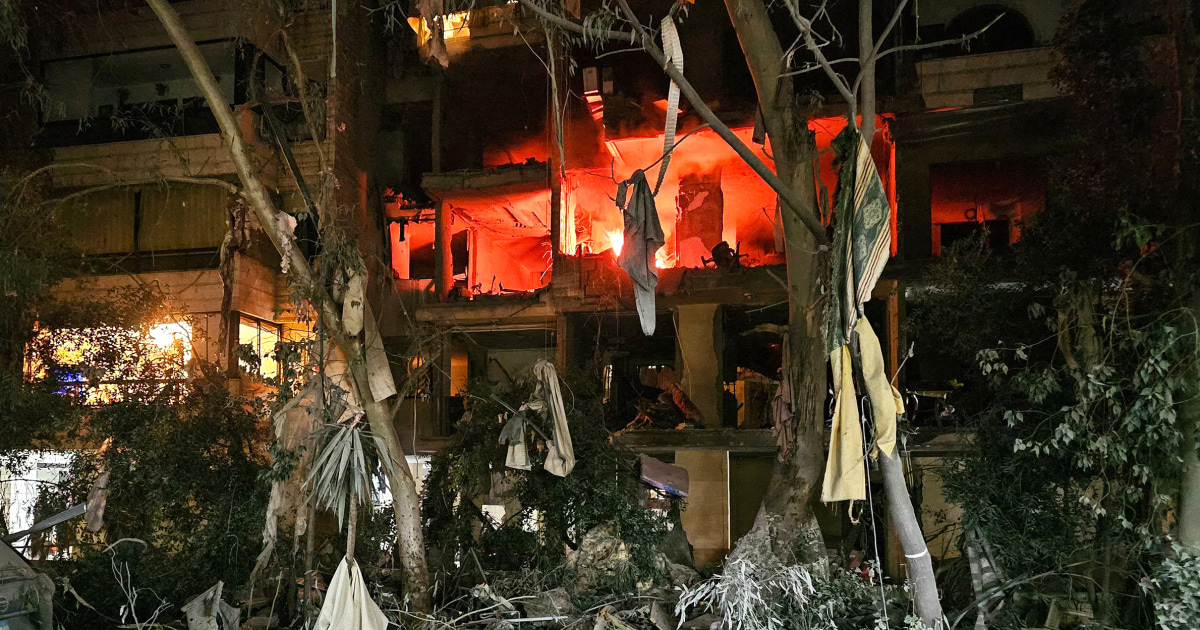
The morning of a recent Saturday marked the launch of "Operation Lion's Roar," an offensive initiated by Israel with significant support from the United States. This coordinated action saw Israeli forces unleash a series of precision strikes deep within Iranian territory. The initial explosions, first reported in central Tehran, quickly spread, impacting at least 24 of Iran's 31 provinces, according to reports from the Iranian Red Crescent. Mojtaba Khaledi, a spokesperson for the organization, confirmed the grim immediate toll: over 200 fatalities and 700 injured, painting a stark picture of the operation's destructive reach.
From Washington, U.S. President Donald Trump was quick to publicly acknowledge the developments, stating in a message that Ayatollah Ali Khamenei, whom he described as "one of the most evil people in history," was dead. He framed the event as "the greatest opportunity the Iranian people have to reclaim their country." This sentiment was echoed by Israeli officials. Defence Minister Israel Katz issued a statement confirming that Israel had "launched a preemptive attack against Iran to eliminate threats to the State," simultaneously declaring a "special and permanent state of emergency" across Israel. Prime Minister Benjamin Netanyahu further emphasized the gravity of the situation, declaring, "This murderous terrorist regime must not be armed with nuclear weapons that would allow it to threaten all humanity." He articulated a broader vision, suggesting that "our joint action will create the conditions for the brave Iranian people to take the reins of their destiny," even calling upon "all segments of the Iranian people" to "break free from the yoke of tyranny." These statements underscored a clear objective beyond merely neutralizing immediate threats: fostering significant internal change within Iran, a pivotal moment in the ongoing history of
ataques Irán Israel.
The Demise of a Dynasty: Ali Khamenei's Passing
The death of Ayatollah Ali Khamenei, Iran's Supreme Leader since 1989, represented perhaps the most significant immediate outcome of "Operation Lion's Roar." His passing, initially reported by President Trump, was later confirmed by Iranian state television hours after the widespread attacks began. At 86 years old, Khamenei had been a towering figure in Iranian politics, guiding the Islamic Republic through decades of domestic challenges and international confrontations. His leadership, which spanned over three decades, solidified his position as the spiritual and political arbiter of Iran, shaping its foreign policy, nuclear ambitions, and internal social structure.
President Trump's immediate and strong reaction, labeling Khamenei "one of the most evil people in History," highlighted the profound antagonism that defined the relationship between the U.S. and Iran during Khamenei's tenure. For many, his death marked the end of an era and raised immediate questions about Iran's future leadership and political direction. The process of succession in Iran is complex, typically involving the Assembly of Experts, but the sudden vacuum of power created by Khamenei's demise in the midst of military conflict introduced an unprecedented layer of uncertainty. This event is a critical component for anyone trying to understand the full scope of the
US-Israel Strikes: Ali Khamenei Dead, Iran Retaliates and their immediate implications. The absence of such an entrenched figure could either pave the way for internal reforms or lead to a period of intense internal power struggles, potentially further destabilizing the region.
Iran's Vehement Vow: "A Crushing Response" & Regional Fallout
True to its word, Iran's promise of a "crushing response" materialized swiftly and dramatically. In the hours following the initial assaults, Iranian forces launched a series of missile attacks targeting not only Israel but also several countries in the wider region where the United States maintains significant military interests. Qatar, Bahrain, Kuwait, the United Arab Emirates, and Saudi Arabia all became targets, underscoring the broad reach of Iran's retaliatory capabilities and its willingness to escalate tensions across the entire Middle East. This strategic retaliation aimed to demonstrate Iran's resolve and capacity to strike back, thereby raising the stakes significantly for all parties involved in these heightened
ataques Irán Israel.
President Trump's subsequent declaration indicated no backing down from the U.S. and Israeli side. He affirmed that "intensive and precise bombings will continue without interruption throughout the week or for as long as necessary to achieve our goal of PEACE IN ALL OF THE MIDDLE EAST AND, INDEED, ALL OVER THE WORLD!" This statement, while grand in its ambition, signaled a prolonged period of military engagement and potential for further escalation. The retaliatory actions by Iran, coupled with the U.S. commitment to continued strikes, plunged the region into a dangerous cycle of violence. The prospect of an expanded conflict immediately sent jitters through global markets and sparked urgent calls for de-escalation from international bodies. The regional fallout from these reciprocal attacks extended beyond military clashes, affecting oil prices, diplomatic relations, and the safety of civilian populations caught in the crossfire of this escalating confrontation.
Unpacking the Motivations: Why Now?
The timing and scale of "Operation Lion's Roar" were not arbitrary; they were the culmination of weeks, if not months, of simmering tensions, threats, and failed diplomatic efforts. A central driving force behind the U.S. and Israeli actions was Iran's nuclear program. Washington and Tehran had been locked in arduous negotiations, often characterized by mutual distrust and deadlock, regarding Iran's nuclear capabilities. Both the U.S. and Israel had consistently voiced grave concerns that Iran was moving dangerously close to developing nuclear weapons, an outcome they deemed an existential threat.
Israeli Defence Minister Israel Katz explicitly stated that the "preventive attack" was launched "to eliminate threats to the State," directly referencing the perceived danger posed by Iran. Prime Minister Netanyahu’s fervent declaration against a nuclear-armed Iran further cemented this as the primary casus belli. Their fear was that a "murderous terrorist regime" armed with nuclear capabilities would not only threaten Israel but potentially destabilize the entire global order.
Moreover, the attacks did not occur in a vacuum. They followed a period of intense internal turmoil within Iran, where government repression against widespread protests and disturbances had reportedly resulted in thousands of deaths just weeks prior. This domestic fragility may have been perceived as a window of opportunity for external intervention. The operations also came a mere eight months after a 12-day war between Israel and Iran the previous year, during which the United States had already bombed Iranian nuclear facilities. This historical context suggests a long-term strategy of containment and deterrence, where the recent
ataques Irán Israel represent a significant escalation in an ongoing, multifaceted conflict. Understanding these deep-seated motivations is key to comprehending
Why US & Israel Attacked Iran: Nuclear Threat & Regional Goals. The intricate web of historical grievances, nuclear ambitions, and regional power dynamics ultimately converged to trigger this profound military confrontation.
Navigating the New Reality: Insights and Outlook
The dramatic events of "Operation Lion's Roar" and the subsequent Iranian retaliation have irrevocably altered the geopolitical landscape of the Middle East. The death of Ali Khamenei alone signals a potentially seismic shift in Iran's internal power structure, the implications of which will unfold over time. Will a successor emerge who is more amenable to international diplomacy, or will the hardline stance continue, potentially intensifying the conflict? The answers remain highly speculative.
For regional stability, the situation is extremely fragile. The widespread Iranian missile attacks on multiple countries with U.S. military presence underscore the broad scope of potential escalation. Any miscalculation or overreaction from either side could trigger a larger, devastating regional war, drawing in numerous international actors. International bodies and diplomatic channels will face immense pressure to mediate and de-escalate, though the initial rhetoric from all sides suggests a challenging path to peace.
* **Understanding Complex Conflicts:** In an era of rapid information dissemination, it's vital to:
* **Cross-Reference Sources:** Rely on multiple reputable news outlets to form a comprehensive picture, as initial reports can be fragmented or biased.
* **Contextualize History:** Recognize that current events are often rooted in decades of historical grievances, alliances, and conflicts.
* **Beware of Propaganda:** Be critical of information, especially from official sources of involved parties, as narratives can be shaped for political advantage.
* **Focus on Humanitarian Impact:** Remember the immense human cost of conflict, beyond the geopolitical maneuvering.
The declaration by President Trump of aiming for "PEACE IN ALL OF THE MIDDLE EAST AND, INDEED, ALL OVER THE WORLD!" through sustained bombardment highlights a controversial approach to achieving stability. The efficacy and ethical implications of such a strategy will undoubtedly be debated for years to come. The brave Iranian people, whom Netanyahu urged to take control of their destiny, now find themselves at a critical juncture, facing both external pressure and the internal void left by their Supreme Leader’s passing. Their path to self-determination, however, is fraught with immense challenges and uncertainties, further complicated by the lingering threats of more
ataques Irán Israel.
Conclusion
"Operation Lion's Roar" and its immediate aftermath represent a watershed moment in the Middle East. The coordinated strikes by the U.S. and Israel, culminating in the death of Iran's Supreme Leader Ali Khamenei, were met with fierce Iranian retaliation, plunging an already volatile region into heightened uncertainty. While the stated objectives included neutralizing threats and preventing nuclear proliferation, the ripple effects extend to the core of regional power dynamics, potentially igniting a broader conflict. The reverberations of these
ataques Irán Israel will undoubtedly shape the future of the Middle East for years to come, demanding urgent international attention and a renewed commitment to diplomatic solutions if a wider catastrophe is to be averted.