Understanding the Offensive: Why US & Israel Struck Iran
Recent reports have confirmed a significant military offensive by the United States and Israel against targets within Iran, an event that has sent shockwaves across the Middle East and the global community. These coordinated
Iran-Israel attacks, which unfolded after weeks of escalating tensions and diplomatic stalemates, targeted numerous sites across the Islamic Republic, leading to widespread casualties and a dramatic shift in regional dynamics. At the core of this joint operation were grave concerns over Iran's nuclear program and broader aspirations for regional influence, as articulated by the attacking nations. The immediate aftermath saw Iran promise a "crushing response," further ratcheting up an already volatile situation.
The gravity of these strikes was underscored by the confirmed death of Iran's Supreme Leader, Ayatollah Ali Khamenei, an 86-year-old figure who had steered the country since 1989. His passing, initially reported by the U.S. President and later confirmed by Iranian state television, introduces immense uncertainty into Iran's political future and potentially its foreign policy trajectory.
Operation "Lion's Roar": The Immediate Impact and Aftermath
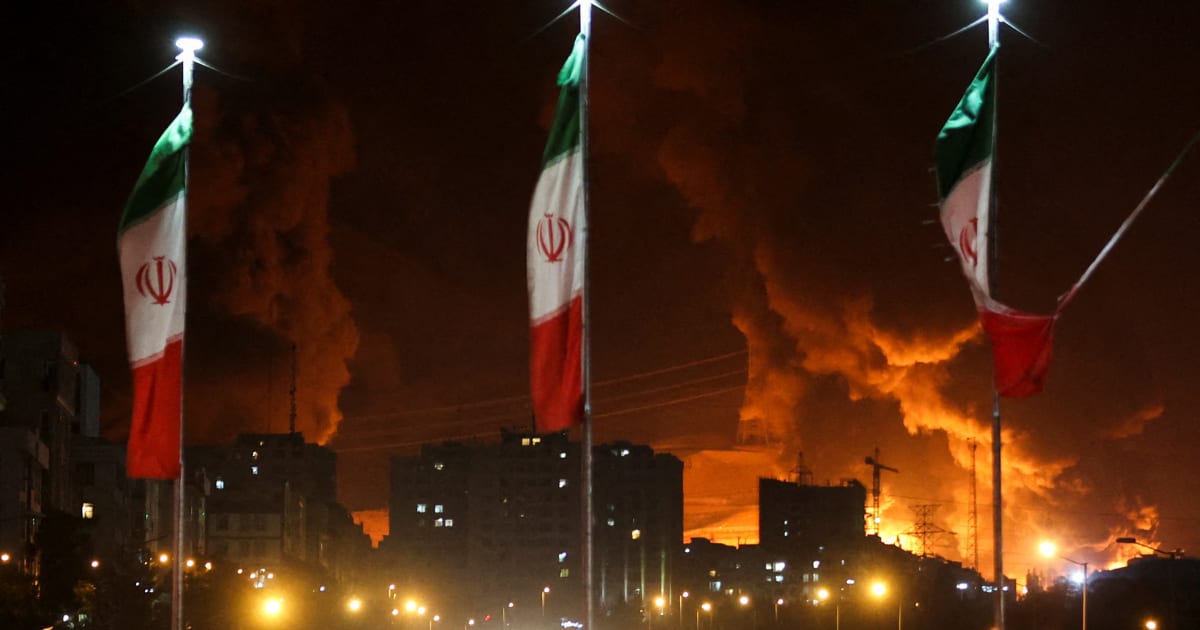
The coordinated military action, reportedly dubbed "Operation Lion's Roar" by Israel, saw explosions rock Tehran and extend across 24 of Iran's 31 provinces. The scale of the offensive was unprecedented in recent memory, with reports from the Iranian Red Crescent detailing over 200 fatalities and 700 injuries in the initial hours. This devastating human cost immediately highlighted the intensity and precision of the strikes.
The death of Supreme Leader Ali Khamenei, a figure of immense political and religious authority, marks a pivotal moment. U.S. President Donald Trump, in announcing Khamenei's death, described him as "one of the most evil people in History" and suggested it presented "the greatest opportunity for the Iranian people to take back their country." This rhetoric underscored a potential underlying goal of the offensive: to catalyze internal change within Iran, or at least significantly weaken the current regime's grip on power. For a deeper dive into the immediate repercussions of this seismic event, refer to our article on
US-Israel Strikes: Ali Khamenei Dead, Iran Retaliates.
Iran's reaction was swift and defiant. Missiles were launched against Israel and several nations in the region where the United States maintains military interests, including Qatar, Bahrain, Kuwait, the United Arab Emirates, and Saudi Arabia. This immediate retaliation signaled Iran's unwavering resolve and its capacity to project power across the Gulf, escalating the conflict beyond direct US-Israel-Iran confrontations. President Trump, for his part, affirmed that "intense and precise bombings will continue without interruption throughout the week or for as long as necessary to achieve our goal of PEACE IN ALL OF THE MIDDLE EAST AND, IN FACT, THE ENTIRE WORLD!" This declaration, while aiming for peace, paradoxically indicated a sustained military campaign.
Unpacking the Motivations: Iran's Nuclear Ambitions
The primary stated reason behind these
Iran-Israel attacks was Iran's controversial nuclear program. For weeks leading up to the offensive, Washington and Tehran had been embroiled in intense negotiations and threats concerning the program's development. Israel, particularly, views a nuclear-armed Iran as an existential threat.
Israeli Defense Minister Israel Katz issued a statement confirming that his country "launched a preemptive attack against Iran to eliminate threats to the State," also declaring a "special and permanent state of emergency" across Israel. Prime Minister Benjamin Netanyahu further elaborated, asserting, "This murderous terrorist regime must not be armed with nuclear weapons that allow it to threaten all of humanity. Our joint action will create the conditions for the brave Iranian people to take the reins of their destiny."
This stance reflects longstanding international concerns. Iran's nuclear program, despite its claims of peaceful intent, has been viewed with suspicion due to:
- Uranium Enrichment: The country's ongoing enrichment of uranium to levels approaching weapons-grade raises alarms about its potential to develop a nuclear weapon in a relatively short "breakout time."
- Lack of Transparency: Persistent issues with international inspectors' access to certain sites and information have fueled doubts about the program's true nature.
- Historical Context: Past revelations about clandestine nuclear activities have further eroded trust among Western nations and regional adversaries.
From the perspective of the US and Israel, allowing Iran to achieve nuclear weapon capability would not only destabilize the Middle East but also risk a regional nuclear arms race. The preemptive strike was presented as a necessary measure to dismantle or severely set back Iran's nuclear infrastructure and prevent such a scenario.
Regional Power Dynamics and Stability Concerns
Beyond the nuclear threat, the
attacks against Iran were also deeply rooted in broader regional power dynamics and concerns over Tehran's destabilizing influence. Israel and the United States have consistently accused Iran of supporting a network of proxy groups across the Middle East, including Hezbollah in Lebanon, Hamas in Gaza, and the Houthi rebels in Yemen. These groups are seen as instrumental in projecting Iranian power, challenging Israeli security, and undermining U.S. interests in the region.
Netanyahu's call for the Iranian people — including Persians, Kurds, Azeris, Balochis, and Ahwazis — to "free themselves from the yoke of tyranny and build a free and peaceful Iran" suggests a strategic aim beyond just neutralizing nuclear capabilities. It hints at a desire for regime change or at least a significant weakening of the current clerical establishment, which is perceived as repressive internally and aggressive externally.
The timing of these attacks is also notable. They occurred mere weeks after thousands of Iranians reportedly died due to government repression against widespread protests and unrest, indicating significant internal vulnerabilities within Iran. Furthermore, they follow just eight months after a 12-day conflict between Israel and Iran last year, during which the U.S. also bombed Iranian nuclear facilities. These events underscore a pattern of escalating confrontation, where regional grievances and internal pressures converge to create a highly combustible environment. For more context on the broader geopolitical landscape, consider reading
Middle East Conflict: Operation Lion's Roar & Its Aftermath.
The Geopolitical Chessboard: US Involvement and Broader Implications
The direct involvement of the United States in these strikes, a coordinated effort described as being planned for months, highlights Washington's deep strategic interests in the Middle East. These interests encompass:
- Alliance with Israel: The U.S. has a long-standing commitment to Israel's security, viewing it as a crucial ally in a volatile region.
- Regional Stability: Preventing a nuclear Iran and containing its regional influence is seen as vital for maintaining global energy supplies and combating terrorism.
- Countering Adversaries: The U.S. seeks to limit the capabilities of nations or groups that challenge its strategic positioning and the security of its other regional partners.
President Trump's strong condemnation of Ali Khamenei and his broad assertion of achieving "peace in all of the Middle East" through military action reflect a maximalist approach to foreign policy, aiming to reshape the region's geopolitical landscape decisively. The US involvement transforms what might have been a bilateral dispute into a broader international crisis with far-reaching implications.
This offensive risks further destabilizing an already fragile region. Potential consequences could include:
- Escalation of Conflict: Iran's promised "crushing response" could lead to further military confrontations, potentially drawing in more regional and international actors.
- Humanitarian Crisis: Increased conflict inevitably leads to more casualties, displacement, and humanitarian emergencies.
- Economic Impact: The security of vital shipping lanes, particularly for oil, could be compromised, leading to spikes in global energy prices and economic uncertainty.
- Political Vacuum in Iran: The death of Khamenei creates a power vacuum that could lead to internal struggles for succession, potentially increasing instability within Iran itself.
The joint US-Israel offensive against Iran is a complex event driven by a confluence of concerns over nuclear proliferation, regional power dynamics, and internal political pressures.
Conclusion
The recent, large-scale
Iran-Israel attacks, executed with U.S. participation, represent a critical turning point in Middle East relations. Fueled by concerns over Iran's nuclear program and its perceived destabilizing regional ambitions, the operation led to significant casualties and the death of Supreme Leader Ali Khamenei, a figure whose demise ushers in an era of profound uncertainty for Iran's future. While the stated objectives include preventing a nuclear-armed Iran and fostering regional peace, the immediate aftermath has been characterized by Iranian retaliation and heightened tensions. The long-term ramifications of these bold military actions—from potential regime change within Iran to broader regional conflicts—remain to be seen, ensuring that the eyes of the world will remain fixed on this volatile corner of the globe.