US-Israel Strikes: Ali Khamenei Dead, Iran Retaliates in a Historic Escalation
The geopolitical landscape of the Middle East has been irrevocably altered following a series of devastating, coordinated strikes by the United States and Israel against Iran. This unprecedented offensive, executed on a Saturday, culminated in the death of Iran's long-serving Supreme Leader, Ayatollah Ali Khamenei. The news, initially reported by U.S. President Donald Trump and subsequently confirmed by Iranian state television, sent shockwaves across the globe, immediately triggering a vow of "crushing response" from Tehran and swift retaliatory missile launches against Israel and U.S. interests in the region. These **ataques Irán Israel** represent a dramatic escalation in a conflict simmering for decades, bringing the volatile region to the brink of wider war.
The Coordinated Strikes and Khamenei's Demise
The joint offensive, which Israel reportedly dubbed "Operation Lion's Roar," commenced with explosions rocking the heart of Tehran and rapidly spreading across 24 of Iran's 31 provinces. The scale of the attack was immense, targeting dozens of military objectives throughout Iranian territory. Mojtaba Khaledi, spokesperson for the Iranian Red Crescent, confirmed the grim toll, reporting over 200 fatalities and more than 700 injured in the initial wave of bombings. The human cost and widespread destruction underscore the ferocity and precision of the coordinated assault.
The most significant casualty of these strikes was Ayatollah Ali Khamenei, Iran's Supreme Leader since 1989. At 86 years old, Khamenei had been a towering, unyielding figure in Iranian politics and religion, holding ultimate authority over the country's domestic and foreign policy, military, and nuclear program. His death marks a pivotal moment in Iranian history, comparable only to the passing of Ayatollah Ruhollah Khomeini, the founder of the Islamic Republic.
U.S. President Donald Trump was among the first to break the news of Khamenei's death, describing the Ayatollah as "one of the most evil people in history." In a candid statement, Trump hailed the event as "the greatest opportunity for the Iranian people to reclaim their country," suggesting a strategic objective beyond merely military targets. Hours later, Iranian state television confirmed the Supreme Leader's demise, plunging the nation into mourning and an uncertain future. This development fundamentally reshapes the dynamics of the **ataques Irán Israel**, adding a profound internal dimension to the external conflict.
Iran's Swift and Severe Retaliation
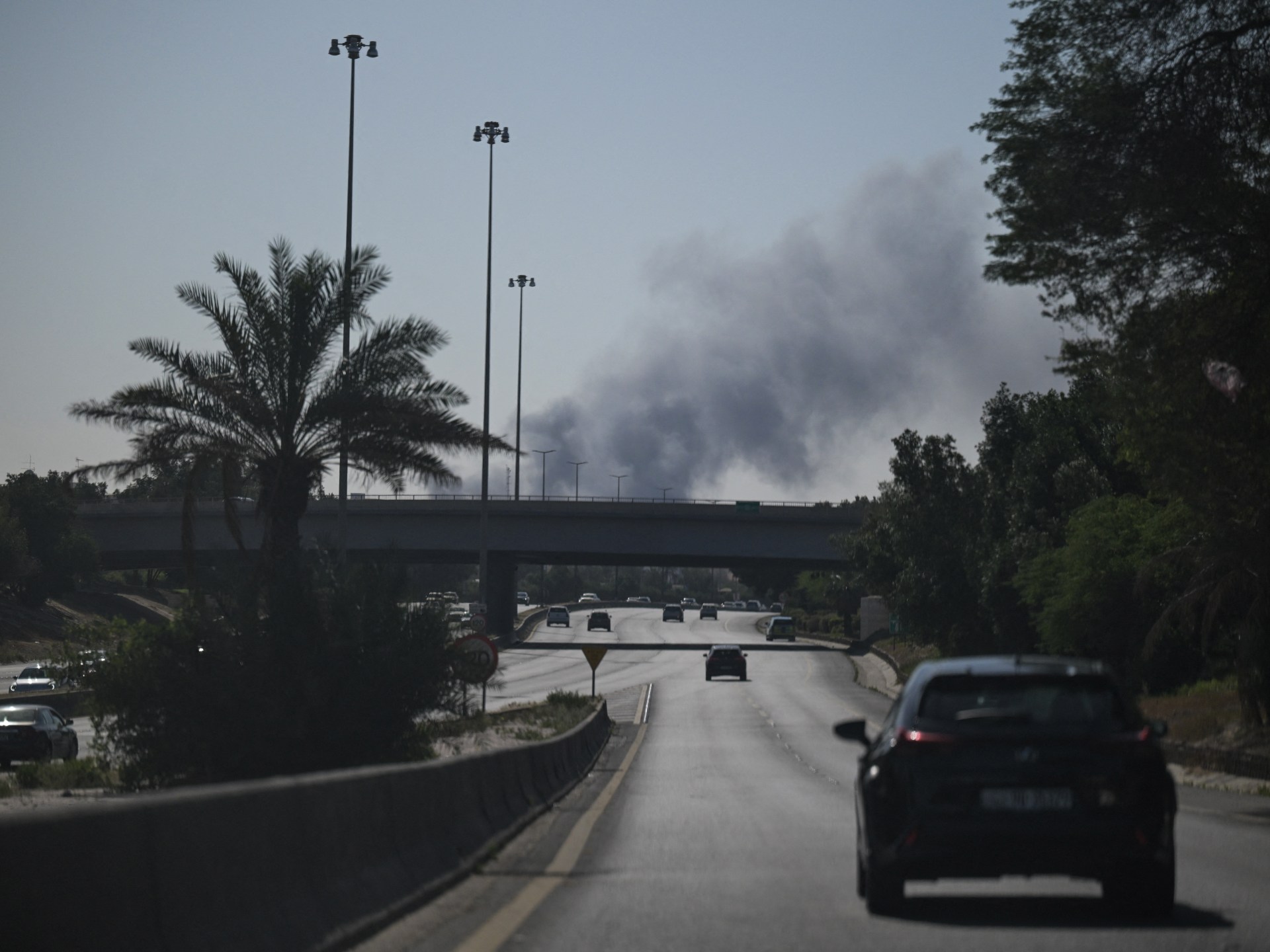
True to its word, Iran wasted no time in executing its promised "crushing response." Within hours of the initial strikes and the confirmation of Khamenei's death, Iranian forces launched a barrage of missiles. These retaliatory strikes were not limited to Israel but also targeted several countries in the region where the United States maintains significant military interests. Qatar, Bahrain, Kuwait, the United Arab Emirates, and Saudi Arabia found themselves in the crosshairs, highlighting the broad reach of Iranian reprisal and the immediate regionalization of the conflict.
The audacity and scope of Iran's counter-attack demonstrate its readiness to escalate, transforming the conflict from a localized confrontation into a multi-front regional crisis. President Trump, for his part, remained resolute, affirming that "intense and precise bombings will continue without interruption throughout the week or for as long as necessary to achieve our goal of PEACE IN THE ENTIRE MIDDLE EAST AND, IN FACT, THE WHOLE WORLD!" This declaration underscores the far-reaching ambitions of the U.S. strategy, portraying the actions as a means to global stability. The reciprocal missile exchanges have dramatically heightened tensions, raising fears of a full-scale regional war.
Why the Strikes? Decades of Tension Culminate
The **ataques Irán Israel** did not occur in a vacuum but were the culmination of weeks, if not years, of escalating threats and failed negotiations between Washington and Tehran. At the heart of the dispute lies Iran's controversial nuclear program. Both the U.S. and Israel have consistently voiced profound concerns that Iran's nuclear ambitions are geared towards developing nuclear weapons, posing an existential threat to Israel and destabilizing the broader Middle East. For a deeper understanding of the motivations, read
Why US & Israel Attacked Iran: Nuclear Threat & Regional Goals.
Israeli Defense Minister Israel Katz issued a statement confirming that his country had launched a "preemptive attack against Iran to eliminate threats to the state," declaring a "special and permanent state of emergency" across Israel. Prime Minister Benjamin Netanyahu further articulated Israel's position, asserting, "This murderous terrorist regime must not be armed with nuclear weapons that allow it to threaten all humanity." Netanyahu's statement also carried a strong message of solidarity with the Iranian populace, adding, "Our joint action will create the conditions for the brave Iranian people to take the reins of their destiny." He called upon "all segments of the Iranian people—Persians, Kurds, Azeris, Baluchis, and Ahwazis—to free themselves from the yoke of tyranny and build a free and peaceful Iran." This rhetoric suggests a dual objective: neutralizing immediate threats and fostering internal change within Iran.
The timing of these attacks is also significant, coming just weeks after widespread government repression against protests and unrest in Iran, and a mere eight months after a 12-day war with Israel during which the U.S. bombed Iranian nuclear facilities. These previous events illustrate a pattern of escalating confrontation and underscore the deep-seated grievances and strategic calculations that fueled the current offensive. The Israeli designation "Operation Lion's Roar" clearly signals a meticulously planned, decisive military operation aimed at achieving specific strategic outcomes.
The Path Forward: Implications for a Volatile Region
The death of Ali Khamenei and the ensuing Iranian retaliation mark a watershed moment for the Middle East and beyond. Internally, Iran faces an unprecedented power vacuum. The process of selecting a new Supreme Leader, typically overseen by the Assembly of Experts, will be fraught with challenges and potential internal power struggles, especially in a time of national crisis and external pressure. This internal flux could either lead to a more moderate stance or, conversely, to an even more hardline approach to solidify control.
Regionally, the direct exchange of fire between Iran and Israel, coupled with attacks on U.S. interests, drastically elevates the risk of a wider conflict. The involvement of multiple regional actors through U.S. military bases means the conflict could easily spill over, drawing in other nations and creating an even more complex web of alliances and antagonisms. The global community will be keenly watching the aftermath of these strikes, monitoring diplomatic efforts to de-escalate and the potential for humanitarian crises. For further analysis on the broader ramifications, consider
Middle East Conflict: Operation Lion's Roar & Its Aftermath.
Key facts to consider:
- Khamenei's death removes a central, long-standing figure, creating significant uncertainty within Iran's leadership structure.
- The attacks highlight the ongoing international concern over Iran's nuclear program and its perceived threat to regional security.
- The scope of Iranian retaliation demonstrates its capability and willingness to project power across the Gulf, impacting global energy markets and international shipping lanes.
- The U.S. and Israeli rationale emphasizes both preemptive defense and the aspiration for a more "free and peaceful Iran," suggesting long-term strategic objectives beyond military containment.
Observers should pay close attention to the leadership transition in Iran, the nature and extent of any further retaliatory actions, and the international community's diplomatic efforts to prevent a full-scale regional war.
Conclusion
The **ataques Irán Israel**, leading to the death of Supreme Leader Ali Khamenei and prompt Iranian retaliation, have thrust the Middle East into an unprecedented era of uncertainty and peril. This dramatic escalation underscores the deep-seated conflicts surrounding Iran's nuclear program and its regional influence. As the world watches, the immediate future hinges on the responses of regional and global powers, the internal dynamics within Iran, and the delicate balance between deterrence and de-escalation. The consequences of these events will undoubtedly resonate for years to come, profoundly reshaping the political and security landscape of a region already synonymous with volatility.